
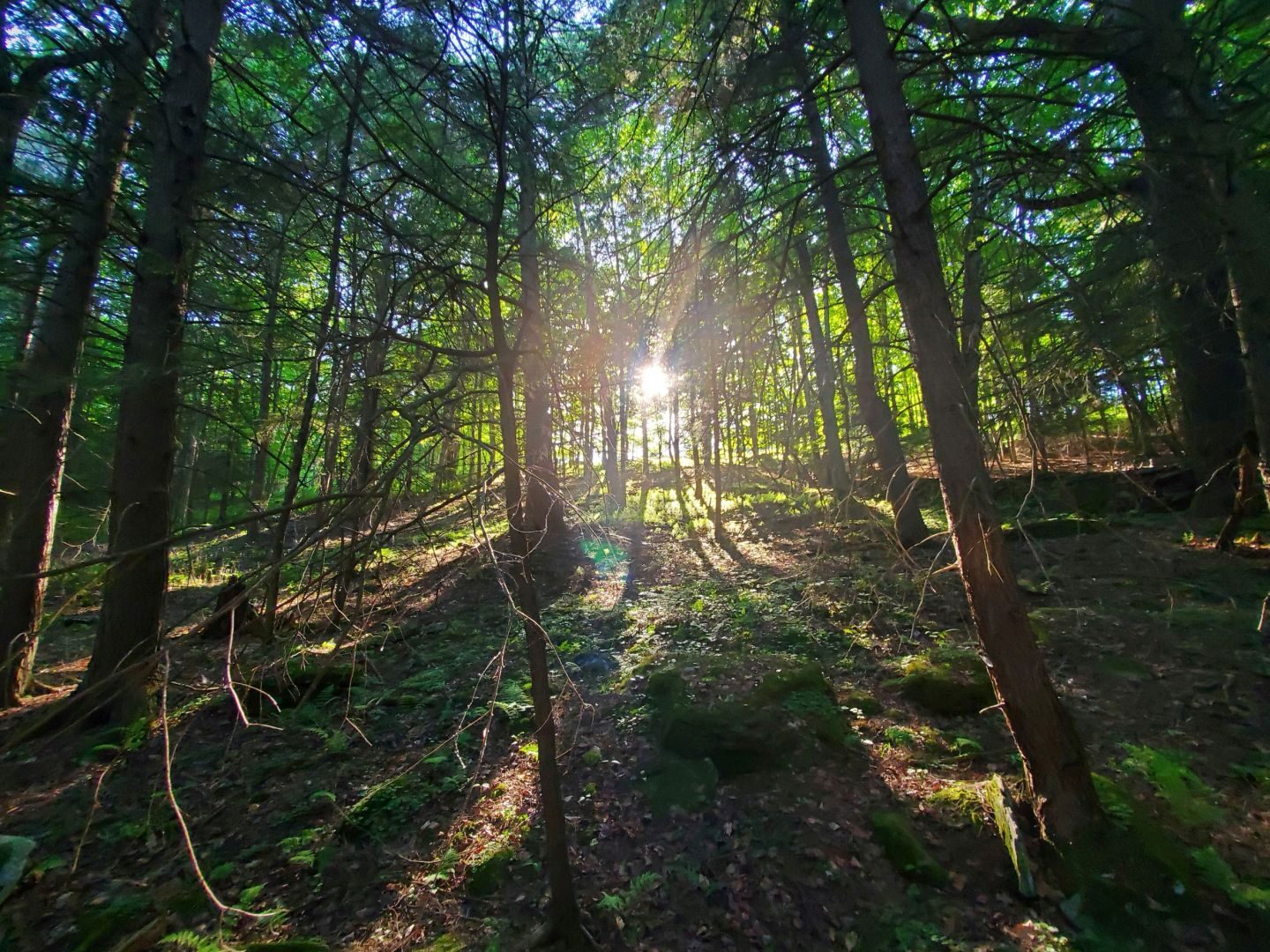
- Intricate patterns revealing shiny wild beauty across landscapes and time
- The Allure of Iridescent Creatures
- The Physics Behind the Shine
- Botanical Brilliance: Dewdrops and Waxy Leaves
- Geological Gems: Mineral Luster and Cave Formations
- Water’s Radiant Reflections: Lakes, Rivers, and Oceans
- The Human Connection: Art, Imitation, and Inspiration
Intricate patterns revealing shiny wild beauty across landscapes and time
The allure of the untamed, the captivating beauty of the untouched – these are sentiments that resonate deeply within the human spirit. For centuries, artists, writers, and explorers have sought to capture the essence of what it means to be truly free, to exist outside the constraints of civilization, and to connect with the raw energy of the natural world. That connection often manifests as a fascination with the vibrant, almost otherworldly quality of things found flourishing in the wild, a certain glistening, a captivating sheen – a shiny wild existence. It’s a concept that extends beyond mere aesthetics, encompassing resilience, adaptation, and the profound power of nature to create and sustain life.
This fascination isn’t simply about visual appeal; it delves into a deeper understanding of ecological processes, evolutionary strategies, and the inherent value of biodiversity. The wild isn’t just a place; it's a continuous process of change and renewal. The seemingly chaotic patterns we observe in nature—the branching of a river, the flight of birds, the distribution of wildflowers—are, in reality, the product of intricate systems honed over millennia. Exploring these systems, understanding their delicate balance, and appreciating their inherent beauty offers a unique perspective on our place within the larger world, and on the captivating, often surprising ways life finds a way to thrive.
The Allure of Iridescent Creatures
One of the most immediately striking aspects of the “shiny wild” aesthetic is seen in the animal kingdom, particularly in creatures displaying iridescence. This isn’t simply a matter of bright colors; it’s a complex interplay of light and structure. The shimmering feathers of a hummingbird, the vibrant scales of a butterfly, the iridescent shell of a beetle – these are all examples of structural coloration, where the color isn’t produced by pigments, but by the way light interacts with microscopic structures on the surface of the animal. These structures cause light to interfere with itself, amplifying certain wavelengths and creating a shimmering, shifting display of color. The effect is mesmerizing, and often serves as camouflage, a warning signal, or a means of attracting mates. Think about the peacock – the seemingly endless variations in the iridescent eye spots are a signal of genetic fitness, communicating health and viability to potential partners. Beyond aesthetics, the physics of iridescence offer valuable insights into materials science and nanotechnology.
The adaptive significance of iridescence is multifaceted. For some species, it's a method of disrupting visual predators, breaking up the animal's outline and making it harder to detect. For others, it's a form of aposematism, a warning signal to potential predators that the animal is toxic or distasteful. The bright colours essentially advertise danger. Still others employ iridescence for communication within their own species, facilitating courtship displays or establishing social hierarchies. The evolutionary pressures that have led to the development of these complex optical structures are a testament to the power of natural selection. Studying these examples provides insight into how organisms respond to their environments and innovate to survive. This showcases a fundamental aspect of the captivating and often unexpected beauty of the natural world.
The Physics Behind the Shine
The creation of iridescent color relies on phenomena like thin-film interference, diffraction, and scattering. Thin-film interference happens when light reflects off the top and bottom surfaces of a thin, transparent layer, creating constructive or destructive interference depending on the wavelength of light. Diffraction occurs when light waves bend around obstacles, creating interference patterns. Scattering involves the redirection of light in multiple directions by particles in a medium. These processes are exquisitely controlled at the nanoscale level in iridescent structures, resulting in the vibrant, shifting colors we observe. Understanding these principles allows scientists to mimic these natural structures in the development of new materials with unique optical properties, ranging from advanced coatings to security features. The “shiny wild” isn’t just a visual phenomenon; it’s a masterclass in physics and engineering.
Botanical Brilliance: Dewdrops and Waxy Leaves
Beyond the animal kingdom, plants also exhibit forms of ‘shiny wild’ beauty. The glistening of dewdrops on a spiderweb, the waxy sheen of leaves after a rain shower, and the subtle iridescence of certain flower petals all contribute to this aesthetic. These effects are often the result of surface structures and the way light interacts with water and other compounds. Plants have evolved various mechanisms to protect themselves from environmental stressors, and these mechanisms often contribute to their visual appeal. A waxy cuticle, for example, helps to prevent water loss and provides a protective barrier against pests and pathogens, but it also creates a reflective surface that can enhance the plant's visual presence. Consider the Lotus flower, famed for its self-cleaning abilities due to microscopic structures on its leaves; this characteristic sheen isn’t just functional; it’s strikingly beautiful.
The ability of plants to manipulate light is also seen in the structure of their petals. Some flowers possess microscopic ridges or grooves that scatter light, creating a shimmering effect. This shimmer can act as a visual cue for pollinators, guiding them towards the nectar and pollen. The development of these features is another example of co-evolution, where plants and their pollinators have mutually influenced each other's evolution. The interplay of structure and function in the botanical world demonstrates a level of sophistication that is both astounding and inspiring. These examples highlight how even the simplest elements of nature can contribute to the captivating beauty we associate with the “shiny wild”.
- The angle of sunlight influences the intensity of shine on both plant and animal surfaces.
- Surface tension of water contributes to the shape and reflectivity of dewdrops.
- Waxy coatings on leaves evolved as a protective adaptation.
- The microscopic structure of petals affects their visual properties.
The delicate balance between form and function is often what makes these natural phenomena so captivating. A plant's evolutionary path towards survival has created these beautiful features as a beneficial byproduct.
Geological Gems: Mineral Luster and Cave Formations
The “shiny wild” extends far beyond the biological world, encompassing the geological realm as well. The luster of minerals, the sparkling crystals within rock formations, and the shimmering pools of water in caves all showcase a unique type of beauty. The way light interacts with the crystalline structure of minerals determines their luster – whether they appear metallic, glassy, or pearly. This is determined by the arrangement of atoms within the mineral and how it reflects light. Certain minerals, like pyrite (fool's gold), exhibit a strong metallic luster, while others, like quartz, have a glassy sheen. The formation of caves creates unique environments where water and mineral interactions lead to spectacular formations like stalactites and stalagmites, often adorned with glittering crystals.
The process of mineral formation itself is a fascinating example of geological processes at work. Under specific conditions of temperature and pressure, atoms can bond together to form crystalline structures, creating a wide range of minerals with varying properties. The presence of trace elements during mineral formation can also influence their color and luster. In caves, the slow deposition of mineral-rich water over millennia leads to the creation of breathtaking formations. The interplay of light and shadow within a cave, combined with the shimmering crystals, creates an otherworldly atmosphere, a truly “shiny wild” environment. These formations aren't just visually striking; they serve as a record of Earth’s geological history.
- The angle of incidence affects the visual impact of mineral luster.
- The concentration of trace elements impacts mineral colour.
- Caves create unique microclimates with high humidity.
- The formation of stalactites and stalagmites is a slow, continuous process.
Understanding the geological forces behind these phenomena deepens our appreciation for the intricate processes that shape the Earth’s surface, and the enduring beauty they create.
Water’s Radiant Reflections: Lakes, Rivers, and Oceans
Water, in its various forms, is perhaps the most pervasive element contributing to the “shiny wild.” From the sun-dappled surface of a lake to the crashing waves of the ocean, water reflects and refracts light in a myriad of ways, creating stunning visual effects. The smoothness of the water’s surface determines the quality of the reflection, with calmer waters producing clearer images. The presence of particles in the water, such as sediment or algae, can also affect the way light is scattered, creating shimmering patterns and changing the water's colour. Coastal environments, with their interplay of sand, water, and sunlight, offer a particularly striking display of reflective beauty. The constantly shifting patterns of light and shadow on the water's surface are captivating and ever-changing.
Beyond surface reflections, the internal structure of water itself contributes to its radiance. The hydrogen bonds between water molecules cause light to scatter, creating a subtle glow. This effect is particularly noticeable in clear, deep water, where light penetrates and illuminates the depths. The presence of marine life, such as fish and coral, adds another layer of complexity to the underwater lightscape. The shimmering scales of fish and the vibrant colours of coral reefs contribute to the overall beauty of the underwater world. This emphasizes that the “shiny wild” isn't confined to terrestrial environments; it thrives in the depths of our oceans and lakes.
The Human Connection: Art, Imitation, and Inspiration
The human fascination with the “shiny wild” isn’t simply a matter of aesthetic preference. Throughout history, artists and designers have drawn inspiration from the natural world, attempting to capture its beauty and complexity in their work. From the shimmering mosaics of ancient Rome to the iridescent fabrics of modern fashion, the imitation of natural patterns and textures has been a recurring theme in human creativity. The desire to recreate the captivating effects of the “shiny wild” in man-made objects reflects our deep connection with nature and our innate desire to surround ourselves with beauty. The use of materials that mimic the iridescent properties of natural surfaces, such as mother-of-pearl or opals, further demonstrates this enduring connection.
Modern advancements in materials science and nanotechnology are allowing us to create even more sophisticated imitations of natural phenomena. Researchers are developing new coatings and materials that mimic the structural coloration of butterfly wings, with applications ranging from cosmetics to security features. These innovations demonstrate the power of biomimicry – the practice of learning from and emulating nature’s designs – and highlight the potential for sustainable and innovative solutions. The ongoing exploration and replication of these natural phenomena reveal a deeper appreciation for the intricate beauty and remarkable efficiency of natural systems. The legacy of the “shiny wild” continues to inspire, evolve, and shape our understanding of the world around us.
| Feature | Example |
|---|---|
| Structural Coloration | Hummingbird Feathers |
| Surface Reflection | Lake Surface |
| Mineral Luster | Pyrite |
| Waxy Coating | Lotus Leaves |