
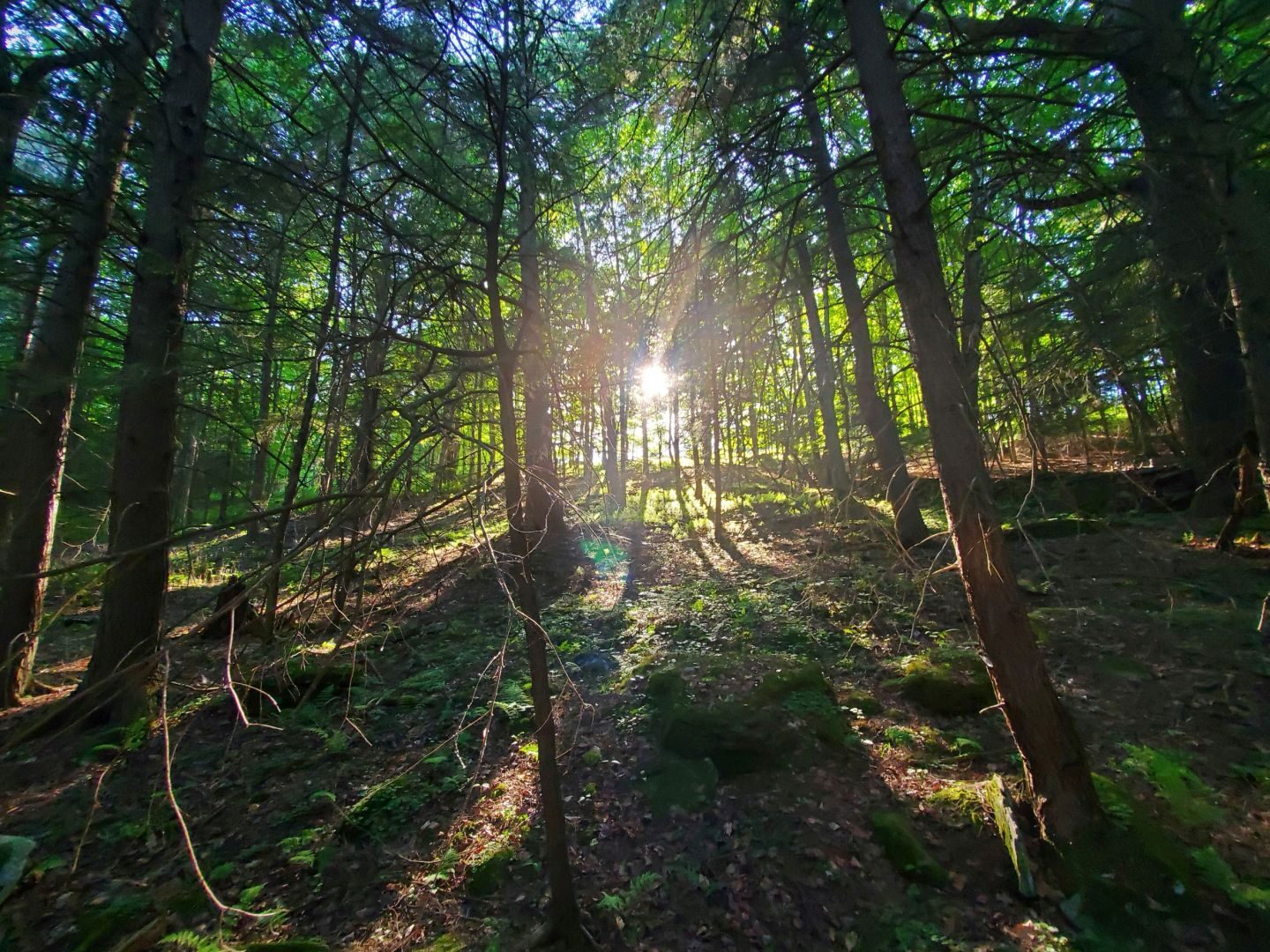
- Remarkable forests conceal the beauty of shiny wild flora and fauna within their depths
- The Iridescence of Insects
- Structural Coloration in Beetles
- The Glimmer of Aquatic Life
- Bioluminescence in Deep-Sea Creatures
- The Shine of Minerals and Geological Formations
- Crystal Structure and Light Reflection
- The Role of Water in Enhancing Shine
- Preserving the Shimmer: Conservation and Ethical Considerations
Remarkable forests conceal the beauty of shiny wild flora and fauna within their depths
The natural world often holds secrets, hidden gems of beauty that require a keen eye and a patient spirit to uncover. Many seek out the extraordinary, the vibrant, the things that stand apart from the mundane. It’s a pursuit that often leads to the heart of untouched ecosystems, where flora and fauna flourish in ways that inspire awe and wonder. Within these spaces, one can often encounter the captivating phenomenon of the shiny wild, a spectacle of nature's artistry.
This isn’t simply about glitter or superficial gloss; it speaks to a deeper luminescence, a healthy vitality expressed through iridescent colors, unique textures, and extraordinary adaptations. These elements aren’t always readily apparent, often requiring a shift in perspective or a closer examination to truly appreciate. Understanding the factors that contribute to this ‘shine’—from specialized scales and pigments to unique structural properties—allows us to better appreciate the complexity and beauty of the natural world and reinforces the importance of its preservation.
The Iridescence of Insects
The insect world is arguably one of the most prolific showcases of natural iridescence. This isn’t simply color, but rather a shifting display of hues that change with the angle of light. This effect is often achieved through microscopic structures on the insect’s exoskeleton, like the scales of a butterfly or the cuticle of a beetle. These structures act as diffraction gratings, splitting light into its component colors and creating the shimmering, rainbow-like effect we perceive. The evolutionary advantage of this iridescence is multifaceted. It can serve as camouflage, disrupting the insect’s outline against a complex background. More importantly, it can play a crucial role in mate attraction, with brighter, more vibrant individuals often being favored during courtship rituals. It is a testament to the power of natural selection, crafting beauty with a functional purpose.
Structural Coloration in Beetles
Beetles, in particular, are renowned for their structural coloration. Unlike pigmentation, where color is derived from chemical compounds, structural coloration arises from the way light interacts with the physical structure of the beetle’s cuticle. The cuticle is composed of layers of chitin, arranged in a complex, three-dimensional lattice. The precise arrangement of these layers determines which wavelengths of light are reflected, resulting in brilliant metallic or iridescent colors. This is incredibly sophisticated engineering, and scientists are studying these structures to inspire the development of new materials with similar optical properties. The complexity of these structures can be staggering, even within the same species, and often varies based on environmental factors during development.
| Insect | Color | Structural Mechanism | Function |
|---|---|---|---|
| Peacock Beetle | Metallic Green/Blue | Thin-film interference | Camouflage & Mate attraction |
| Jewel Beetle | Brilliant Rainbow | Multilayered cuticle | Mate attraction & Species Recognition |
| Morpho Butterfly | Intense Blue | Diffraction gratings on scales | Camouflage & Mate attraction |
| Golden Tortoise Beetle | Metallic Gold | Reflectin protein layers | Camouflage & Thermoregulation |
The study of these mechanisms is revealing the incredible sophistication of nature’s designs. It’s not just about aesthetics; these structures are finely tuned for survival, adaptation, and reproduction.
The Glimmer of Aquatic Life
The shimmering allure of the shiny wild isn’t confined to the terrestrial realm; it’s equally prevalent in aquatic ecosystems. Fish, with their scales coated in guanine crystals, often display a metallic sheen that catches the light. This iridescence isn’t just for show; it serves as camouflage, reflecting the surrounding environment and blending the fish into its background. Beyond fish, numerous invertebrates, such as jellyfish and certain types of shrimp, exhibit bioluminescence – the production of light through chemical reactions. This isn’t simply a shimmer, but an active emission of light, used for communication, attracting prey, or deterring predators. The diversity of light-producing mechanisms in aquatic life is truly remarkable, showcasing nature’s ingenuity.
Bioluminescence in Deep-Sea Creatures
The deep sea, a world of perpetual darkness, is where bioluminescence truly shines. Organisms like anglerfish utilize bioluminescent lures to attract unsuspecting prey, while others use it for defensive purposes, creating dazzling displays to confuse or startle predators. The chemical reaction driving bioluminescence typically involves luciferin and luciferase. Luciferin is a light-emitting molecule, while luciferase is an enzyme that catalyzes the reaction, producing light. Different organisms use different types of luciferin and luciferase, resulting in a variety of colors and intensities of light. The study of these mechanisms is providing insights into the complex communication and survival strategies employed by deep-sea creatures.
- Bioluminescence attracts mates in dimly lit environments.
- It helps camouflage against the faint light filtering from above.
- It serves as a defensive mechanism to startle predators.
- It aids in species recognition and communication.
The intricacies of bioluminescent communication in the deep sea represent a frontier of scientific discovery. Understanding these signals is crucial for comprehending the delicate balance of these fragile ecosystems.
The Shine of Minerals and Geological Formations
The shiny wild extends beyond the living world and into the realm of geology. Certain minerals, when struck by light, exhibit a dazzling brilliance. This is often due to their internal structure, which causes light to refract and reflect in captivating ways. Minerals like pyrite (fool’s gold) are well-known for their metallic luster, while others, like labradorite, display a vibrant play of color known as labradorescence. Geological formations, such as salt flats and crystal caves, can also showcase remarkable shine, reflecting sunlight in spectacular fashion. These aren’t just aesthetically pleasing; they’re windows into Earth’s history, revealing the processes that shaped our planet.
Crystal Structure and Light Reflection
The ability of a mineral to reflect light is determined by its crystal structure and chemical composition. The arrangement of atoms within the crystal lattice dictates how light interacts with the material. Minerals with highly ordered structures tend to reflect light more efficiently, creating a brighter, more intense shine. The presence of specific elements and impurities can also influence the color and intensity of the reflected light. For example, the presence of iron in pyrite gives it its characteristic golden hue. Understanding these relationships allows geologists to identify minerals and interpret their formation processes.
- The arrangement of atoms dictates light interaction.
- Highly ordered structures maximize light reflection.
- Elemental composition influences color intensity.
- Impurities can alter the reflective properties.
The study of mineral optics provides valuable insights into the Earth’s internal processes and the conditions under which these beautiful formations arose.
The Role of Water in Enhancing Shine
Water plays a pivotal role in accentuating the shiny wild in many ecosystems. A dewdrop clinging to a leaf, a ripple on the surface of a pond, or the spray of a waterfall—all these elements enhance the inherent brilliance of the natural world. Water acts as a natural lens, refracting and scattering light, creating a more dynamic and vibrant display. Furthermore, water’s surface tension allows it to create reflective surfaces, mirroring the surrounding landscape and adding depth to the visual experience. Even the humidity in the air can influence the shine, creating a subtle glow on foliage and rocks.
Preserving the Shimmer: Conservation and Ethical Considerations
The beauty of the shiny wild is fragile and susceptible to human impacts. Habitat destruction, pollution, and climate change all pose significant threats to the ecosystems that support these shimmering wonders. Protecting these ecosystems requires a multifaceted approach, including responsible land management, pollution control, and efforts to mitigate climate change. Equally important is promoting ethical tourism, ensuring that our pursuit of experiencing these natural wonders doesn’t inadvertently contribute to their degradation. For example, excessive foot traffic can erode fragile habitats, while the use of flash photography can disrupt the behavior of light-sensitive organisms. Responsible observation and a commitment to minimizing our impact are key.
The captivating brilliance of the natural world is a reminder of the interconnectedness of all living things. It’s a call to action, urging us to protect the ecosystems that support this beauty and to appreciate the delicate balance that allows the shiny wild to thrive. Focusing on sustainable practices – from supporting eco-friendly businesses to reducing our carbon footprint – is essential for ensuring that future generations can also experience the awe and wonder of these shimmering landscapes. The preservation of these elements isn't simply an environmental issue; it's a cultural and aesthetic one as well, safeguarding a source of inspiration and joy for all.